

Ukrainians abroad increasingly less perceive returning to their homeland as clear prospect – opinion poll
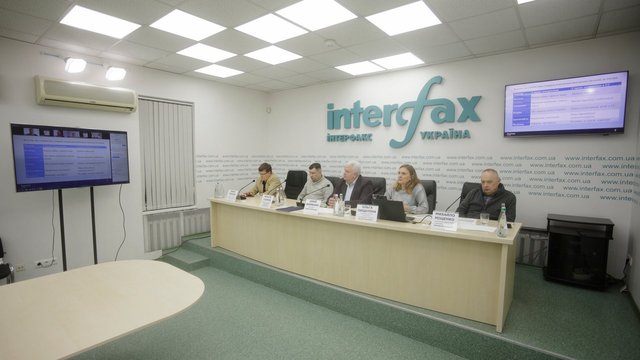
In 2025, Ukrainians abroad are increasingly less likely to view returning to their homeland as a certain prospect, according to a study by the Oleksandr Razumkov Ukrainian Center for Economic and Political Research.
"We are recording a significant decline in the number of those intending to return home," noted Olha Pischulina, a leading expert on social programs at the Razumkov Center, during a press conference at the Interfax-Ukraine news agency on Thursday.
According to her, in 2022, studies showed that Ukrainians declared their intention to return quickly after the end of active hostilities. However, since 2023, the proportion of those who are hesitant or delaying their decision has increased.
"Intentions to return remain high at the so-called value level. People continue to consider themselves Ukrainians, citizens of Ukraine, but realistic plans for return are becoming increasingly context-dependent," Pischulina noted.
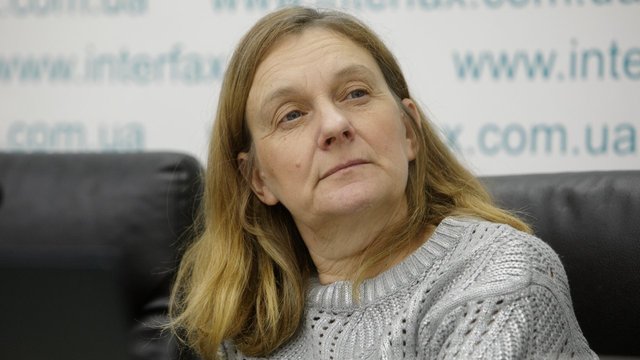
She also noted that, depending on the audience the researchers are addressing, return scenarios operate with different time horizons and conditions.
In particular, in the expert community, return scenarios are more often considered within a strategic logic, at the macro level, as a gradual, selective and conditional process, depending primarily on security factors, economic recovery and state reintegration policy in relation to citizens who will return.
Among migrants themselves, on the contrary, more individualized scenarios prevail, including delayed return, circular mobility, or partial family return. The decisive factors here are issues of employment, children’s education, housing, and the level of integration in the host country.
Press conference participants noted that if Ukraine, together with its international partners, does not begin to actively develop incentives and programs for return, some Ukrainians may remain outside the country permanently after 2027.
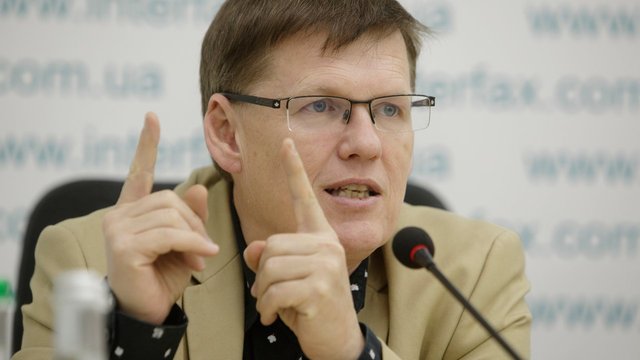
"Without clear strategic and tactical documents, policy decisions, and specific action plans for the reintegration of Ukrainians, we will continue to see the situation that, in essence, is already ongoing," emphasized Pavlo Rozenko, an expert on social and economic policy and Deputy Prime Minister of Ukraine from 2016 to 2019.
At the same time, Benjamin Bobbe, Deputy Director of the Institute for European and Transatlantic Dialogue and Head of the Central and Eastern European Department at the Hans Seidel Foundation, emphasized that people are Ukraine’s most valuable resource, critically needed for its post-war recovery.
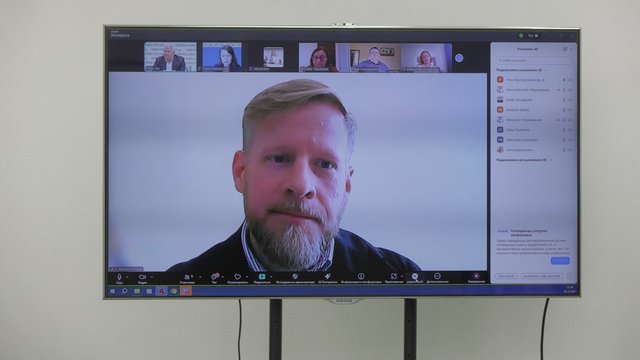
"It is extremely important for European countries to recognize that Ukrainians, with their knowledge, must return to Ukraine and rebuild it using their potential," he noted.
The study’s findings formulated recommendations for government agencies, local governments, and international partners aimed at developing a national reintegration strategy, strengthening the role of communities, and creating sustainable socioeconomic conditions for the return of citizens.
The project is implemented with the support of the Hanns Seidel Foundation in Ukraine.


